
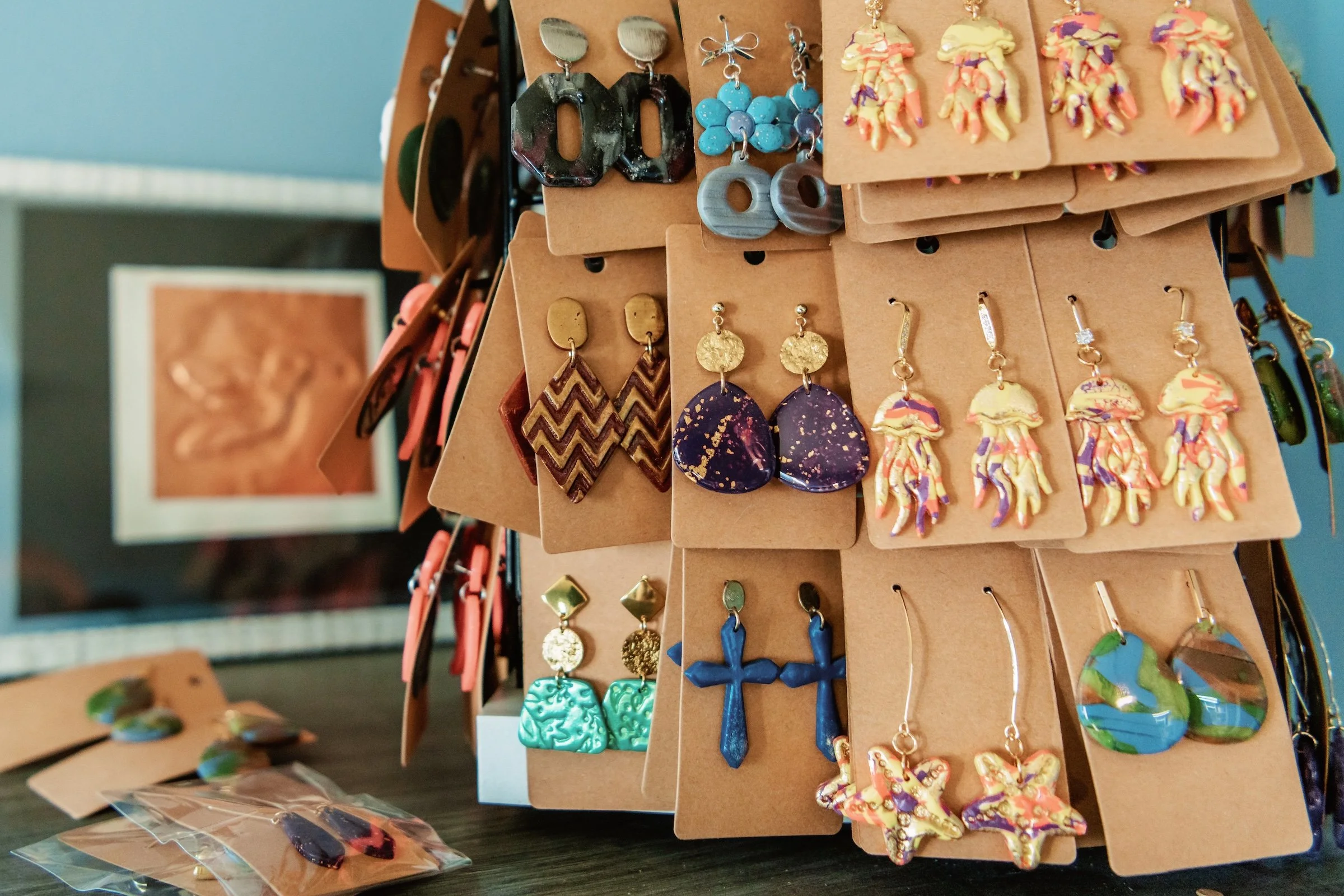
At Finch & Fern, we believe hope isn't something you have to earn or wait for—it's something we can offer one another, even in the smallest ways.
A pair of earrings won't solve life's hardest challenges. But they can start a conversation. They can remind someone they are seen. They can become a quiet symbol of strength, resilience, or the simple truth that they matter.
This page is a place to find encouragement, learn more about mental health, and discover organizations doing meaningful work. Whether you're here for yourself, someone you love, or you're simply looking for a way to make a difference, we're glad you found us.
HOPE IS MEANT to be shared.
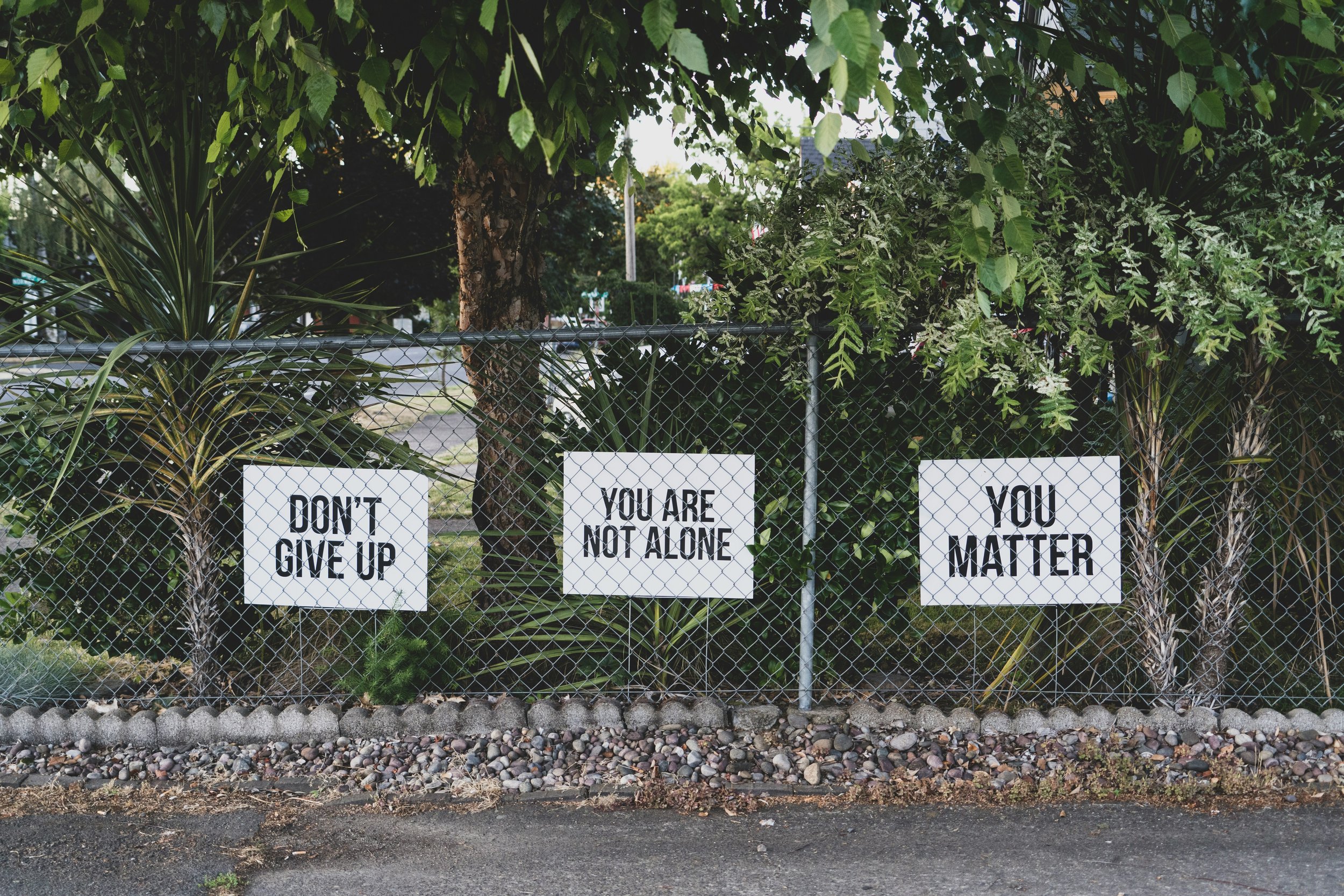
You are Not Alone.
If you're struggling, supporting someone who is, or looking for trusted mental health information, these resources are here to help.
Seeking support is a sign of strength, and help is available.
If you or someone is in immediate danger, call 911 or go to the nearest emergency room. In the U.S. and Canada, call or text 988 to reach the Suicide & Crisis Lifeline (24/7).
PODCAST
As Seen & Heard:
Sharing the Finch & Fern Story
I’ve had the joy of being a guest on podcasts sharing the story behind Finch & Fern, the inspiration behind my work, and the message of hope at its heart.
-
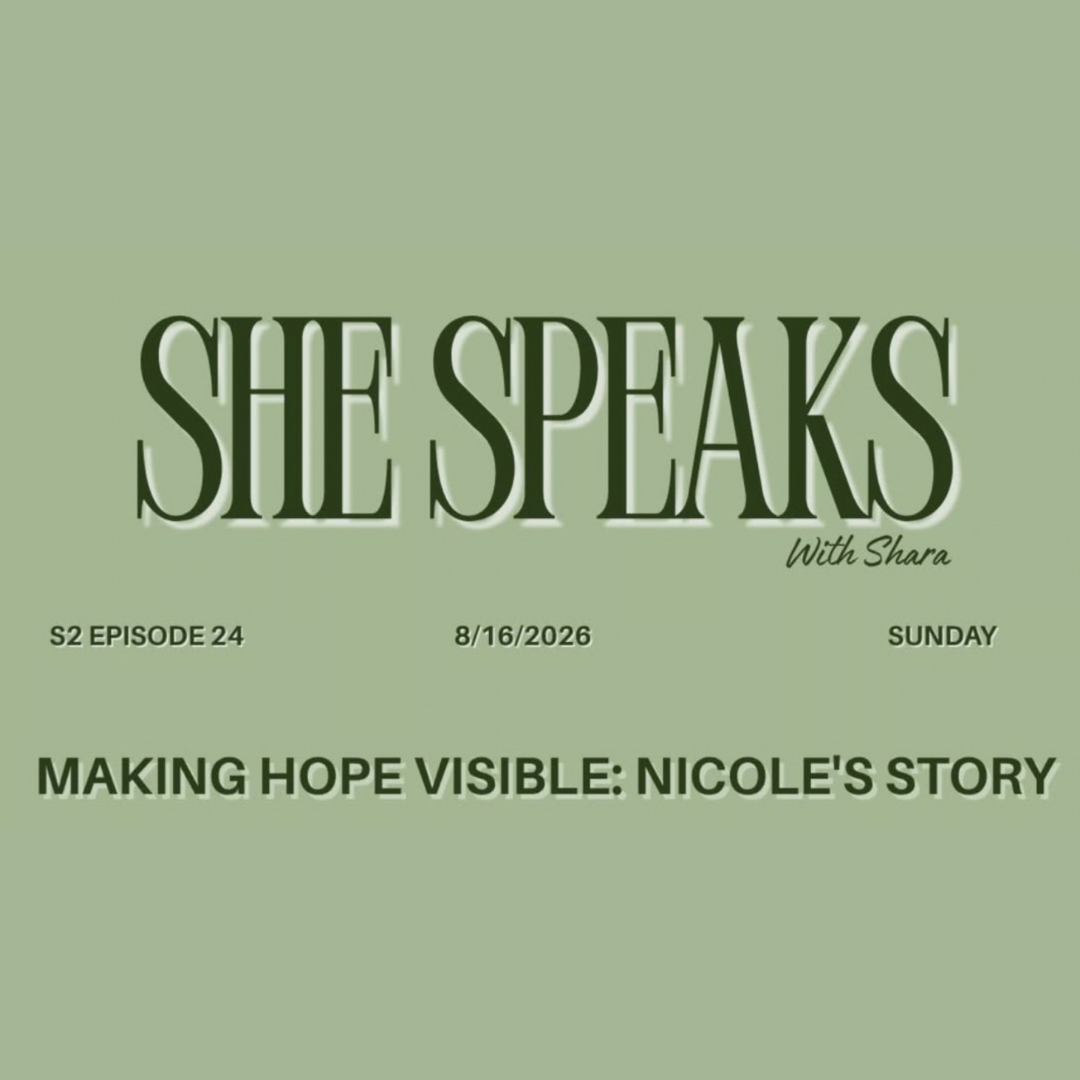
In this episode, I share the deeply personal story of losing my father to suicide after years of watching him struggle with his mental health and living with the underlying fear that one day, the unthinkable might become reality. I talk about how that loss changed my life and how, over time, I’ve turned my grief into advocacy through my work with the American Foundation for Suicide Prevention, supporting others who have lost someone to suicide, raising awareness around mental health, and reminding those who may be struggling that they are not alone.
We also talk about the meaning behind my handmade semicolon jewelry, a symbol of choosing to continue your story and a small but powerful reminder of hope. This is a conversation about grief, mental health, the complicated reality of loving someone who is struggling, and what it can look like to take something incredibly painful and use it to create hope for someone else.
-
I had the opportunity to join Jessi Beyer on the At Work , Under Pressure podcast for my first-ever guest interview. In this conversation, I shared parts of my story that I don’t typically talk about, including my experience with suicide loss and the ongoing complexity of grief. I also reflected on how that loss has shaped my path toward volunteer work with the American Foundation for Suicide Prevention (AFSP), and my experience leading my first Out of the Darkness Walk, Together We Cont;nue.

-
What do you do with a loss that never fully leaves you? I lost my father to suicide when I was 25, and I've spent the years since turning that grief into advocacy, education, and real-world support for others. In this episode, we go deep on what suicide loss actually feels like over time, why it can carry extra stigma and guilt, and how healing often happens in layers rather than milestones.
I also share why many of us in suicide prevention say "died by suicide" instead of "committed suicide," because words can either add shame or make space for compassion. From there, we talk about family dynamics, substance use disorder, mental health, and the exhausting uncertainty of attempts and rehearsals. We also dig into one of the most important skills in suicide prevention: asking directly. Questions like "Are you having suicidal thoughts?" and "Do you have a plan?" can be the difference between guessing and actually helping, and I explain why talking about suicide doesn't put the idea in someone's head.
We also talk about the meaning behind my handmade semicolon jewelry, a symbol of choosing to continue your story and a small but powerful reminder of hope. This is a conversation about grief, mental health, the complicated reality of loving someone who is struggling, and what it can look like to take something incredibly painful and use it to create hope for someone else.
-
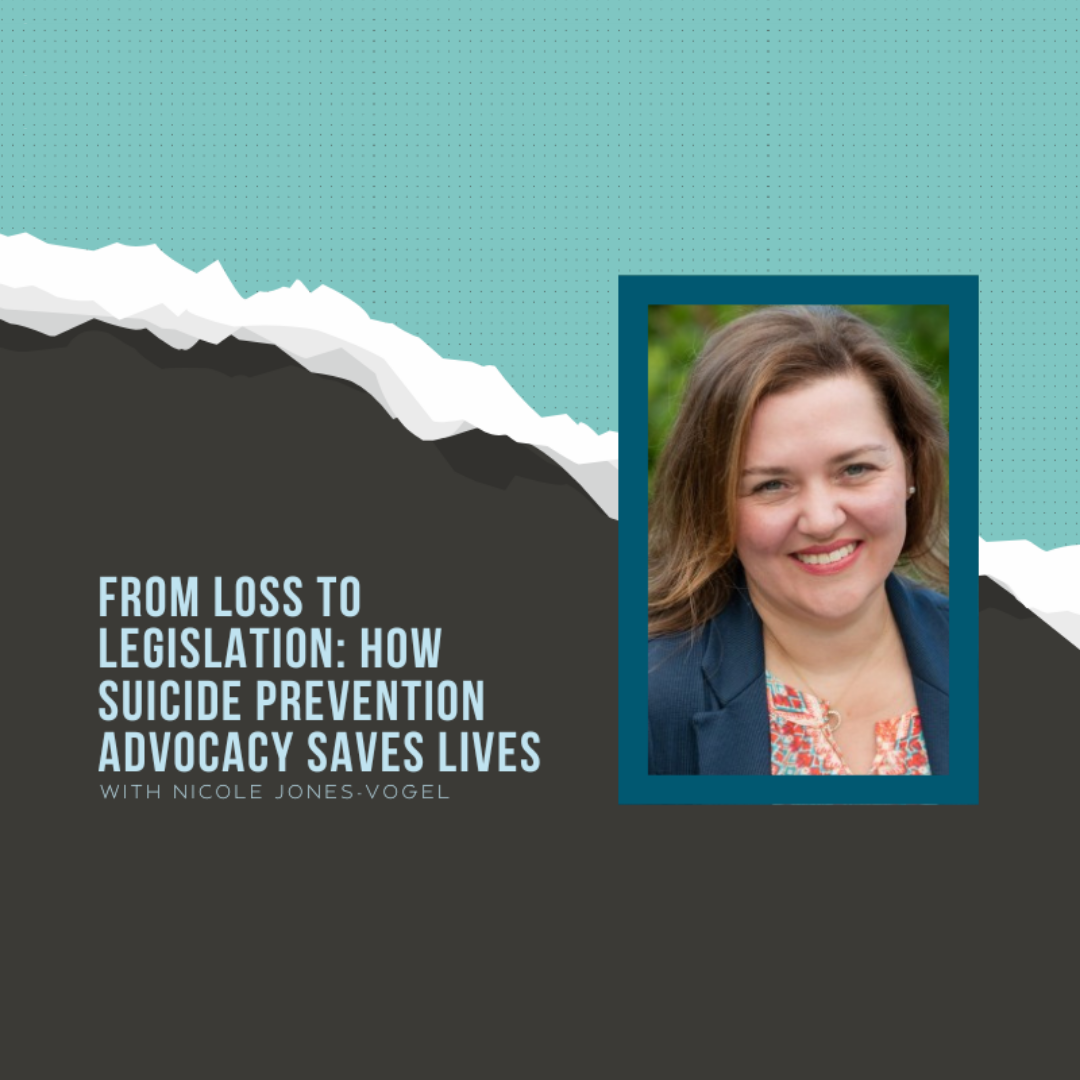
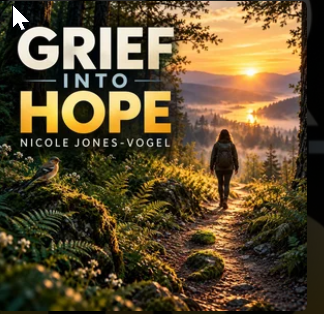
Grief doesn't follow a timeline. It's been twenty years since I lost my father to suicide, and there are still moments when that loss lands in ways I don't expect. But over time, my grief has also become fuel for advocacy, connection, and hope.
In this episode, I join Travis White for an honest conversation about the complicated reality of suicide loss, survivor guilt, mental health stigma, and why healing doesn't mean forgetting. I share how an Out of the Darkness Walk helped me find community and led to years of work with the American Foundation for Suicide Prevention, including education, state advocacy, and conversations with members of Congress.
I also talk about how to support someone who may be struggling: ask direct questions, listen without judgment, help create distance from lethal means, connect them with professional resources, and keep checking in after the immediate crisis has passed.
Trusted Organizations
-
American Foundation for Suicide Prevention.
Education, advocacy, community programs, and support for those affected by suicide loss and prevention.
-
NAMI Pierce County
Support groups, education, family resources, and information about mental health conditions.
-
The Trevor Project
Crisis support and suicide prevention services for LGBTQ+ youth.
Stories & Conversations

Suicide Loss Story
Suicide touches many of us, and sharing my story has become increasingly important to me. What I’ve come to understand is how complex grief after suicide loss can be, and how support doesn’t look the same for everyone. I want to help open space for those differences and for the many ways people find their way through loss.

AFSP Advocacy Forum 2026
I joined over 200 people from every state, Puerto Rico, and the District of Columbia to meet with members of Congress to advocate for three key pieces of suicide prevention legislation.

OUR 2026 SO FAR
Advocacy in Action
I traveled to Washington, D.C. alongside advocates from all 50 states, Washington, D.C., and Puerto Rico to speak with lawmakers about key legislation focused on suicide prevention. Being in those rooms, surrounded by so many voices and stories, reinforced how important it is that lived experience helps shape the policies meant to protect and support others.